Neve Sardegna: Why There Are No Ski Resorts or Open Lifts
For many, the mention of "Sardinia" conjures images of pristine turquoise waters, sun-drenched beaches, and vibrant summer holidays. So, when the term "Neve Sardegna" (Snow Sardinia) appears, it often sparks a curious eyebrow raise, sometimes followed by the hopeful thought of a hidden Mediterranean ski paradise. However, for those dreaming of carving down slopes with an Italian sea view, the reality is a significant one: despite snow falling on the island, there are currently no ski resorts or open lifts in Sardinia.
This might come as a surprise, especially if you've encountered snow bulletins or meteorological reports mentioning snow in Sardinia. This article aims to clarify the intriguing disconnect between "Neve Sardegna" as a meteorological phenomenon and the absence of a commercial ski industry, providing a comprehensive understanding for anyone curious about winter on this unique Italian island.
The Unmistakable Truth: Sardinia's Lack of Ski Infrastructure
Let's address the central point unequivocally: if you're searching for "impianti aperti" (open lifts) or "piste da sci" (ski slopes) in Sardinia, you won't find any. Unlike mainland Italy, which boasts numerous world-class ski destinations from the Dolomites to the Apennines, Sardinia has never developed a commercial ski resort infrastructure. This isn't due to a lack of ambition or interest, but rather a confluence of geographical, climatic, and economic factors.
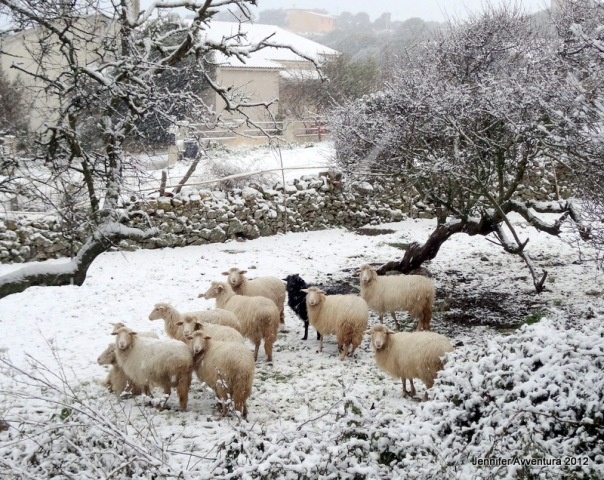
Sardinia is indeed home to mountains, most notably the Gennargentu massif, which includes Punta La Marmora, the island's highest peak at 1,834 meters (6,017 feet). Other significant ranges like the Supramonte also see snowfall. During colder winter months, especially from January to March, these higher elevations can receive significant amounts of snow. Locals often share stunning photographs of snow-capped mountains contrasting against the usually sunny Mediterranean sky, creating picturesque scenes that are truly unique.
However, the key challenges for establishing a viable ski resort are:
- Inconsistent Snowfall: While snow does fall, its frequency, depth, and duration are highly variable. Mediterranean climate patterns mean that prolonged periods of sub-zero temperatures necessary for consistent snow cover or artificial snow production are rare. A good snowfall can be followed by several days of warmer temperatures, leading to rapid melting.
- Limited Elevation and Extent: Compared to the vast mountain ranges of the Alps or even parts of the Apennines, Sardinia's mountainous areas are less extensive and generally lower in elevation. This limits the potential for long, varied ski runs that would attract international tourism.
- High Investment, Low Return: Building and maintaining ski lifts, snowmaking facilities, and associated infrastructure is incredibly expensive. Given the unreliable snow conditions and the island's primary appeal as a summer destination, the economic viability of a large-scale ski resort is questionable. The return on investment would likely be insufficient to justify the colossal upfront costs and ongoing operational expenses.
- Focus on Other Tourism: Sardinia's tourism industry is robust and primarily centered around its stunning coastline, archaeological sites, unique culture, and agritourism. The island's resources and marketing efforts are naturally directed towards these established strengths.
There have been historical mentions of small, rudimentary ski attempts in areas like Bruncu Spina within the Gennargentu, often involving very basic towed lifts and catering almost exclusively to locals during rare heavy snowfalls. However, these were never commercial operations and are not currently active.
Where Does "Neve Sardegna" Come From? Understanding the Snow Bulletins
If there are no ski resorts, then why do we see snow bulletins for Sardinia? This is where the distinction between meteorological reporting and ski resort status becomes crucial. When you encounter terms like "Bollettino Neve Sardegna" or reports from services like 3BMeteo mentioning snow on the island, they are providing crucial meteorological data, not ski-lift operational status.
Meteorological services track snow for several reasons:
- Weather Forecasting: Snowfall, even in unexpected regions, is a significant weather event that impacts local conditions, travel, and agriculture. Forecasting snow in Sardinia's mountains is part of a comprehensive weather report for the entire Italian territory.
- Local Impact: Even without ski resorts, snow can affect mountain roads, remote villages, and livestock. Locals in higher elevations rely on these bulletins to prepare for potential road closures or difficult conditions.
- Environmental and Hydrological Data: Snowpack contributes to water reserves, especially for an island like Sardinia where water management is vital. Meteorologists monitor snow for its impact on spring melt and water supply.
- Curiosity and Photography: The novelty of snow in a Mediterranean setting is a point of interest for many. These bulletins inform those hoping to witness or photograph the rare snowy landscapes.
Therefore, when you see a "snow report" for Sardinia from sources like 3B Meteo, it refers to the actual presence, depth, and forecast of snow in the island's mountainous areas, particularly the Gennargentu. It serves as a general weather update, indicating that snow has fallen or is expected to fall, rather than a guide for downhill skiing. For a deeper dive into what these snow bulletins actually cover, explore our article: Neve Sardegna Explained: What the Snow Bulletin Truly Covers.
Experiencing Sardinia's Winter Beauty (Without Skis)
While Sardinia may not offer traditional alpine skiing, its winter months provide a unique and often overlooked experience that can be incredibly rewarding. If you're drawn by the idea of "Neve Sardegna," here's how you can appreciate the island's winter charm:
- Mountain Trekking and Snowshoeing: When snow does fall in the Gennargentu, it transforms the landscape into a serene, often deserted wonderland. This is an ideal time for experienced trekkers to explore the trails, perhaps even with snowshoes, offering a stark contrast to the summer heat. Always check local conditions and forecasts, and ensure you have appropriate gear and experience for winter mountain environments.
- Discovering the Inland Villages: Winter is the perfect season to explore Sardinia's authentic inland villages, such as Fonni, Desulo, Gavoi, and Orgosolo. These towns, nestled in the mountains, often experience crisp, cold weather and occasionally a dusting of snow. Here, you can immerse yourself in Sardinian culture, sample hearty traditional cuisine, and witness ancient festivals like the Mamoiada Carnival, far from the summer crowds.
- Culinary Delights: Sardinian winter cuisine is rich and comforting. Think slow-cooked meats, robust stews, delicious cheeses (like pecorino sardo), and full-bodied wines. Many agriturismi (farm stays) offer authentic culinary experiences that are particularly cozy during the colder months.
- Archaeological Exploration: Winter offers a tranquil opportunity to visit Sardinia's incredible Nuragic sites, Roman ruins, and prehistoric tombs without the sweltering heat or crowds. The crisp air and solitude can enhance the ancient atmosphere.
- Photography: The dramatic interplay of snow-capped peaks, rugged Mediterranean landscapes, and occasional clear winter skies provides exceptional photographic opportunities.
Sardinia's winter is a period of quiet beauty, introspection, and deep cultural immersion. It's a chance to see a different side of the island, a rugged and authentic heart that beats strong away from the bustling summer coasts.
Conclusion
The concept of "Neve Sardegna" is a fascinating paradox for many visitors. While snow undeniably graces the peaks of Sardinia's highest mountains during winter, creating stunning and often ephemeral landscapes, it does not translate into a commercial ski industry. The island's climate, geography, and established tourism identity simply do not support the development of ski resorts with open lifts and groomed pistes.
Instead, the "Neve Sardegna" bulletins serve as important meteorological information, vital for locals and of interest to those curious about the island's diverse weather patterns. For those seeking winter adventures, Sardinia offers a unique blend of natural beauty, cultural authenticity, and culinary delights that, while not involving downhill skiing, promise a memorable and enriching experience. So, while you won't be hitting the ski slopes, you can still discover a truly magical side of Sardinia when the temperatures drop and the mountains don their occasional white mantle.