Decoding Neve Sardegna: More Than Just Ski Reports
When you encounter the term "Neve Sardegna," your mind might immediately conjure images of powdery slopes, bustling ski resorts, and the exhilarating rush of winter sports. After all, "neve" means snow in Italian, and "Sardegna" is, of course, the stunning island of Sardinia. Common sense dictates that a "Neve Sardegna" bulletin would provide crucial information about open ski lifts and pristine pistes, right?
However, the reality of "Neve Sardegna" is far more nuanced and, for many, quite surprising. The truth is, Sardinia does not host any traditional ski resorts with open lifts or dedicated ski slopes in the conventional sense. This fundamental fact is often overlooked, leading to confusion for those seeking winter sports information for the island. So, what exactly does a "Neve Sardegna" bulletin or forecast truly cover, if not ski conditions? This comprehensive guide will explain the unique context of snow on Sardinia, clarify what information is actually available, and help you understand how to interpret winter weather reports for this beautiful Mediterranean island.
The absence of ski infrastructure means that any "Neve Sardegna" reference is primarily focused on general meteorological conditions, potential snowfall in specific high-altitude areas, and the implications these conditions have for local residents, infrastructure, and an adventurous few. It's about understanding the island's diverse microclimates and preparing for winter, rather than planning a downhill ski trip.
The Reality of Snowfall in Sardinia: Where and When?
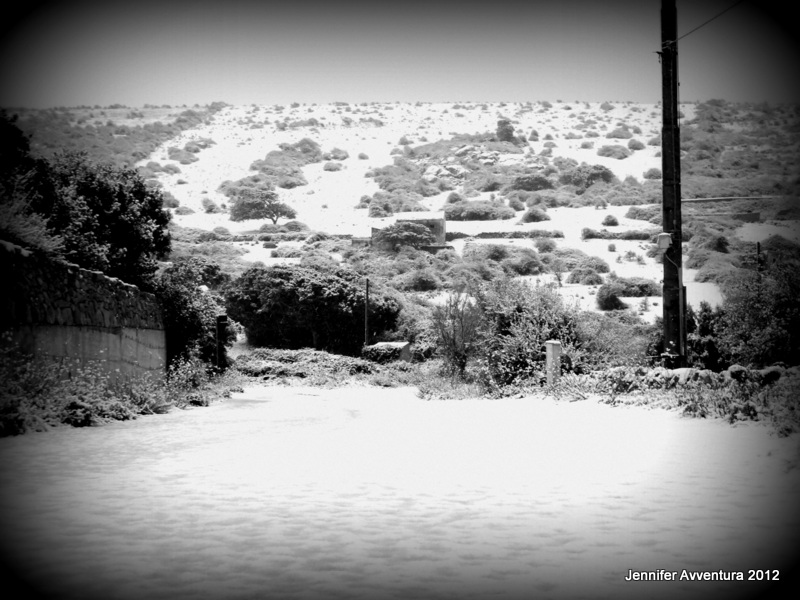
While Sardinia may not be a ski destination, to say it never snows would be a significant misunderstanding of the island's geography. Sardinia is often celebrated for its pristine beaches and glorious summer sun, but its interior boasts rugged mountains that regularly experience snowfall during the colder months.
The vast majority of significant snowfall occurs in the Gennargentu mountain range, the highest massif on the island. Peaks like Punta La Marmora (Sardinia's highest point at 1,834 meters), Bruncu Spina, and Monte Spada regularly see snow cover from December through March, and sometimes even into April. These areas, particularly Bruncu Spina, have historically featured very basic, limited ski facilities (like a single drag lift) that operate extremely infrequently and are not part of any commercial ski resort infrastructure. They are more akin to local initiatives for rare snowy days, rather than established recreational sites.
Snowfall in Sardinia is typically characterized by:
- Elevation Dependency: Snow is almost exclusively found above 800-1000 meters, with consistent cover only at higher altitudes.
- Seasonal Variation: The peak months for snow are usually January and February, though early December and late March can also bring flurries.
- Intensity and Duration: Snow events can be quite intense, blanketing mountain villages in significant depths. However, due to the island's overall Mediterranean climate, snow often melts relatively quickly compared to more northern latitudes, especially at lower elevations.
- Scenic Beauty: A snow-capped Gennargentu against a clear blue sky is a breathtaking sight, offering a stark contrast to the island's coastal image. It creates unique opportunities for winter hiking and photography, attracting a different kind of visitor.
Understanding these patterns is crucial for interpreting "Neve Sardegna" information. It signifies the presence of cold air masses and precipitation that affect the interior, not an invitation to hit the slopes.
Beyond the Slopes: What a "Neve Sardegna" Forecast Truly Means
Given the absence of ski resorts, what practical value does a "Neve Sardegna" forecast hold? Its utility extends far beyond recreational skiing, touching on aspects vital for daily life, travel, and even agriculture on the island.
Key Insights from a Sardinian Snow Report:
- Road Conditions and Travel Advisories: This is arguably the most critical aspect. Snowfall in the Gennargentu and other inland mountain areas can quickly make roads impassable, especially for those not equipped with snow chains or appropriate tires. A snow forecast acts as an essential warning for drivers planning to traverse routes like the SS389 or those leading to mountain villages. Road closures and detours are common during significant snow events, making real-time updates invaluable.
- Safety in Mountainous Regions: For hikers, shepherds, and residents in high-altitude areas, knowing about impending snowfall is crucial for personal safety. It allows for preparations regarding heating, provisions, and avoiding isolated areas.
- Agricultural Impact: Farmers and herders, particularly in the Barbagia region, depend on accurate weather information. Heavy snow can affect livestock, limit access to pastures, and impact winter crops.
- Water Resources: While not as critical as in the Alps, snowmelt contributes to Sardinia's water reservoirs, which are vital for the island's agriculture and consumption, especially after dry summers.
- Niche Tourism and Nature Appreciation: For a small segment of tourists and locals, a "Neve Sardegna" report might signal an opportunity to witness the rare beauty of snow in Sardinia, perhaps for a winter hike in a snow-dusted landscape or simply to experience a different facet of the island.
When you see references to a Sardinia Snow Report: 3B Meteo Insights on Island Conditions, it's these broader meteorological impacts that are being addressed. 3B Meteo, a prominent weather forecasting service, provides detailed weather insights that include snow forecasts for Sardinia, but these are general meteorological predictions, not ski-specific bulletins.
Preparing for Sardinian Winter: Tips for Residents and Visitors
Even without ski resorts, winter in Sardinia, particularly in its interior, demands preparedness. If you're a resident or planning to visit during the colder months, especially if you intend to explore the mountainous regions, here are some practical tips:
Essential Winter Preparedness Tips:
- Stay Informed: Always check reliable weather forecasts from sources like 3B Meteo or official regional weather services before heading into the mountains. Pay attention to temperature drops, precipitation forecasts, and specific snow warnings.
- Vehicle Readiness: If you plan to drive in inland areas during winter, ensure your vehicle is equipped. This means having appropriate tires (winter or all-season), and crucially, carrying snow chains (catene da neve). In some areas, these are legally mandatory during certain periods.
- Appropriate Clothing: Layering is key. Even if the coast is mild, temperatures drop significantly in the mountains. Pack waterproof and windproof outerwear, warm layers, hats, gloves, and sturdy, waterproof footwear.
- Emergency Supplies: For longer trips into remote mountain areas, consider carrying an emergency kit, including extra food, water, a fully charged phone, blankets, and a first-aid kit.
- Road Conditions: Always check real-time road conditions. Regional authorities and civil protection departments often issue alerts for impassable roads due to snow or ice. Do not rely solely on GPS, which may not have the most up-to-date information for rapidly changing winter conditions.
- Flexibility: Be prepared to alter your plans if severe weather is forecast. Sardinia's interior roads can become treacherous quickly, and it's always better to prioritize safety over sticking to an itinerary.
These precautions are less about preparing for a ski holiday and more about navigating the realities of winter in a rugged, beautiful, and sometimes unpredictable landscape. Understanding Neve Sardegna: Why There Are No Ski Resorts or Open Lifts provides essential context for these preparations.
Navigating Snow Information: The Role of 3B Meteo and Local Insights
For accurate and up-to-date information regarding "Neve Sardegna," your primary resources will not be ski-specific bulletins, but rather comprehensive meteorological services and local governmental advisories. The distinction is crucial for proper interpretation.
Reliable Sources and What They Offer:
- 3B Meteo: As indicated in the reference context, 3B Meteo is a key provider of snow bulletins and general weather information for Sardinia. Their forecasts offer detailed insights into precipitation types, temperatures at various altitudes, and expected snow accumulation. Crucially, this information is part of their general weather coverage, not a ski report. It will tell you *if* and *where* it will snow, and potentially *how much*, but not about lift status or piste conditions.
- Regional Civil Protection (Protezione Civile): For the most immediate and critical alerts regarding road closures, severe weather warnings, and safety recommendations, the regional Civil Protection agencies are the official sources. They often publish updates on their websites and social media channels during significant weather events.
- Local News and Community Groups: Local news outlets and community groups, particularly in the mountain towns (e.g., Fonni, Desulo, Villagrande Strisaili), often provide ground-level updates that can be invaluable for real-time conditions.
It's important to remember that these sources are designed to provide meteorological data and public safety information. If you're looking for an actual ski experience, you would need to consult snow bulletins for other regions of Italy, such as the Dolomites or the Alps, where established ski resorts operate.
The concept of "Neve Sardegna" beautifully encapsulates the island's diverse natural character. It reminds us that Sardinia is more than just a summer beach destination; it is an island of rugged mountains that experience true winter conditions, albeit without the commercial ski infrastructure found elsewhere. This unique blend of Mediterranean charm and mountainous wilderness makes understanding its specific snow reports all the more interesting and vital for both residents and curious visitors.
Conclusion
The journey to understand "Neve Sardegna" reveals a captivating truth: while the term might initially mislead one into thinking of ski slopes and resort activity, its true meaning lies in the broader meteorological context of an island famous for its sun-drenched coasts. "Neve Sardegna" refers to vital snow and winter weather forecasts primarily for the island's majestic Gennargentu mountains and other high-altitude areas. These bulletins are critical for ensuring safety, informing travel plans, and assisting local communities and agriculture during the colder months.
Far from being about open lifts or groomed pistes, a Sardinian snow report, often provided by services like 3B Meteo, offers insights into road conditions, potential hazards, and the unique beauty of a snow-dusted Mediterranean landscape. So, the next time you encounter "Neve Sardegna," remember it's an invitation to appreciate the island's diverse climate, prepare wisely for its winter challenges, and perhaps even witness a rare, stunning snowfall in one of Europe's most unique settings.